








The Impact of Artificial Intelligence on Modern Healthcare Systems: A Current Study
John Doe¹, Jane Smith²
¹Department of Computer Science, XYZ University
²Department of Information Technology, ABC Institute
Email: johndoe@email.com
The current study investigates the impact of Artificial Intelligence (AI) on modern healthcare systems. AI has become a transformative technology in medical diagnostics, treatment planning, and patient care. This paper explores how AI-based systems improve accuracy, reduce human error, and enhance decision-making processes in healthcare. The study also discusses challenges such as data privacy, ethical concerns, and implementation costs. The findings suggest that AI significantly improves healthcare efficiency when properly integrated with existing systems. Future research directions include improving AI transparency and expanding its use in rural healthcare services.
Artificial Intelligence, Healthcare, Machine Learning, Medical Diagnosis, Current Study
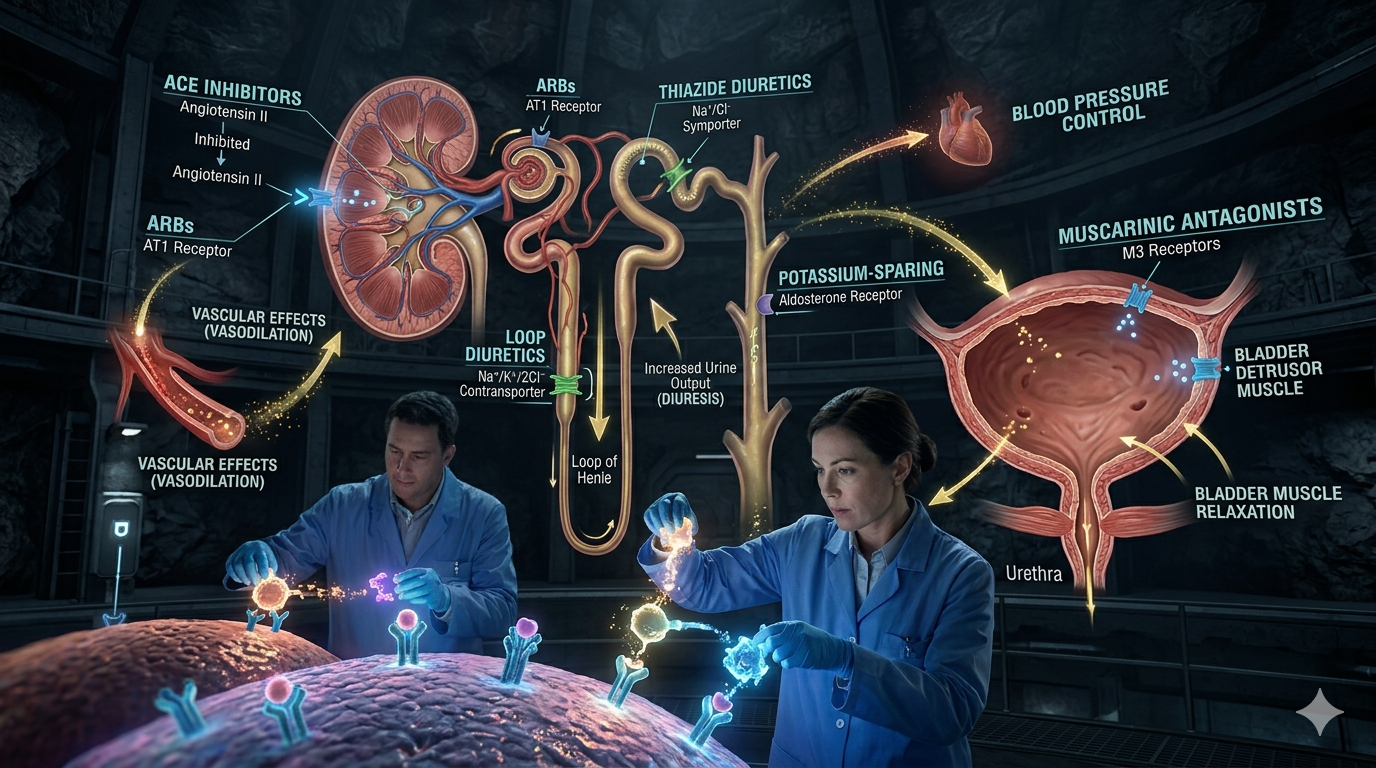
In the current era of technological advancement, Artificial Intelligence (AI) plays a crucial role in transforming various industries, especially healthcare. AI systems are designed to simulate human intelligence and assist in decision-making processes. The healthcare sector has increasingly adopted AI for disease detection, patient monitoring, and predictive analysis.
The current study focuses on understanding how AI is reshaping healthcare systems and improving patient outcomes.
Previous studies have shown that AI can significantly improve diagnostic accuracy. Machine learning algorithms have been used to detect diseases such as cancer, diabetes, and heart conditions at early stages. Researchers also highlight the importance of AI in reducing workload for medical professionals.
However, concerns related to data security and ethical decision-making remain major challenges.
This study is based on a qualitative research approach. Data was collected from:
The collected data was analyzed to identify patterns and effectiveness of AI in healthcare applications.
The findings indicate that AI systems improve:
However, limitations include:
Despite these challenges, AI shows strong potential in improving healthcare quality.
The current study concludes that Artificial Intelligence is revolutionizing modern healthcare systems. While there are challenges, the benefits of AI outweigh the limitations. Proper integration of AI technologies can lead to more efficient, accurate, and accessible healthcare services.
Future research should focus on improving AI ethics, transparency, and accessibility in developing countries.
Volume 1, Issue 1 - 2026